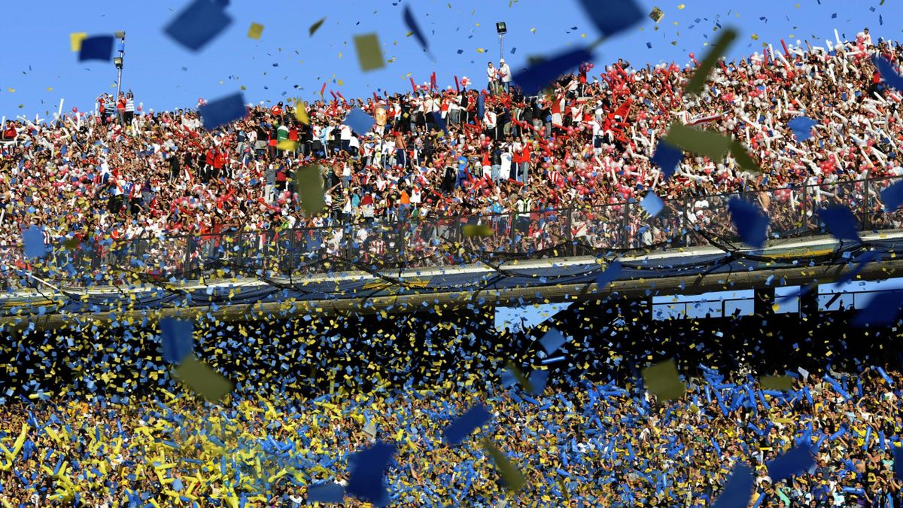
Few events in the world of sports evoke as much emotion, pride, and rivalry as a football derby. From the bustling streets of Manchester to the passionate neighborhoods of Buenos Aires, derbies are more than matches, they are cultural expressions that unite and divide fans in equal measure. But what is a football derby, and why does it hold such a unique place in the hearts of supporters around the globe?
What is a football derby?
A football derby refers to a match between two local or regional rivals, often from the same city or area. The term “derby” is believed to originate from the English town of Derby, where neighboring villages used to compete in traditional games dating back to the 12th century. Over time, the word came to represent any highly charged, local rivalry in sport, especially in football.
Unlike ordinary fixtures, a derby is infused with history, identity, and emotional stakes that transcend the result. The atmosphere is electric: banners fill the stands, chants echo through the streets, and entire communities rally behind their teams. These matches often define a season, regardless of league position or trophies.

The origins of famous football derbies
The North West Derby (England)
One of the most intense rivalries in world football is between Liverpool and Manchester United. Rooted in industrial competition between the two cities, this derby symbolizes regional pride and historical dominance. Both clubs have enormous fan bases and a rich history of success, making each meeting a global spectacle.
One of the most unforgettable encounters came in 1995, when Eric Cantona marked his return from suspension by scoring the equalizer against Liverpool, pure theatre. More recently, in 2021, Liverpool’s 5–0 demolition of Manchester United at Old Trafford became historic, with Mohamed Salah netting a hat-trick, the first ever by a Liverpool player there in the Premier League era.
El Clásico (Spain)
Although not technically a local derby, El Clásico between Real Madrid and FC Barcelona represents a national rivalry that transcends geography. Beyond football, it reflects deep political, cultural, and regional contrasts, Madrid symbolizing central authority and Barcelona embodying Catalan pride and identity.
Because of its magnitude and global following, El Clásico is often seen as Spain’s symbolic national derby, watched by millions around the world and celebrated as one of football’s greatest spectacles.
Few matches capture global attention like El Clásico. In 2010, Guardiola’s Barcelona produced a masterclass with a 5–0 victory over Mourinho’s Real Madrid, symbolizing an era of Catalan dominance. The 2–6 win at the Bernabéu in 2009 remains one of Barça’s most famous triumphs. Some editions of the Clásico have attracted over 650 million viewers worldwide, a record in football broadcasting.
The Milan Derby (Italy)
Known as the Derby della Madonnina, this fixture between AC Milan and Inter Milan is one of elegance and passion. Played in the iconic San Siro Stadium, it reflects contrasting philosophies within the same city: one club born from working-class roots, the other from a more cosmopolitan identity.
The Superclásico (Argentina)
In Buenos Aires, Boca Juniors vs. River Plate represents far more than sport. This derby is a social phenomenon, contrasting working-class neighborhoods against wealthier districts. The intensity, color, and sound of this match make it one of the most exhilarating spectacles in global football.

Why football derbies matter
Derbies are about emotion and belonging. Fans grow up immersed in the rivalry, it’s passed down through generations like a family tradition. The buildup begins weeks in advance, with media coverage, social discussions, and even workplace banter heightening anticipation.
The psychological stakes are enormous. Winning a derby can boost morale, define seasons, and cement legacies. For players, scoring in such a match is a career highlight. For fans, a win offers months of bragging rights.
Derbies also strengthen community identity. They reflect local culture, traditions, and shared values. The songs, colors, and stories that surround each rivalry contribute to football’s rich cultural heritage.
The global appeal of football derbies
Thanks to global broadcasting and social media, local derbies have become global events. Fans from Tokyo to Toronto now follow matches like the North London Derby (Arsenal vs. Tottenham) or the Istanbul Derby (Galatasaray vs. Fenerbahçe) with the same intensity as locals.
Football derbies illustrate how sport unites people through passion, even as it divides them through rivalry. They offer drama, unpredictability, and emotion, elements that make football the world’s most beloved sport.
Modern challenges and the future of derbies
While the passion remains, modern football has transformed the nature of rivalries. Commercialization, global fanbases, and player transfers have blurred traditional boundaries. Some critics argue that the “local” element of derbies is fading as clubs evolve into global brands.
However, the emotional essence endures. Whether in the Premier League, Serie A, La Liga, or South America’s top divisions, derby day still captures the raw spirit of competition. Fans continue to see these matches as the ultimate test of loyalty and pride.
Conclusion: More than just a game
A football derby is not merely a 90-minute contest, it’s a living story of heritage, rivalry, and emotion. It embodies everything that makes football beautiful: passion, unpredictability, and community.
But you don’t need to be inside the stadium to feel it. Imagine watching El Clásico or the North West Derby surrounded by fans from all over the world, the sea as your backdrop, the atmosphere buzzing just like in the stands. On board a Major Sports Cruises experience, every chant, goal, and celebration becomes part of a shared journey, a floating stadium where football truly unites people.
From historical origins to global impact, derbies remind us why football is often called “the beautiful game” and why, wherever you are, being part of that energy is something unforgettable.
FAQs about football derbies
**1. Why is it called a “derby”?
** The term comes from the English town of Derby, where local games between neighboring villages were known for their intensity.
**2. What makes a match a derby?
**A derby is played between teams from the same city or region, often carrying historical, cultural, or political significance.
**3. Which is the most famous football derby?
**Globally, El Clásico (Real Madrid vs. Barcelona) and Superclásico (Boca Juniors vs. River Plate) are among the most iconic.
**4. Are derbies always about rivalry?
**Yes, but they also celebrate community and local identity, uniting fans in shared emotion.