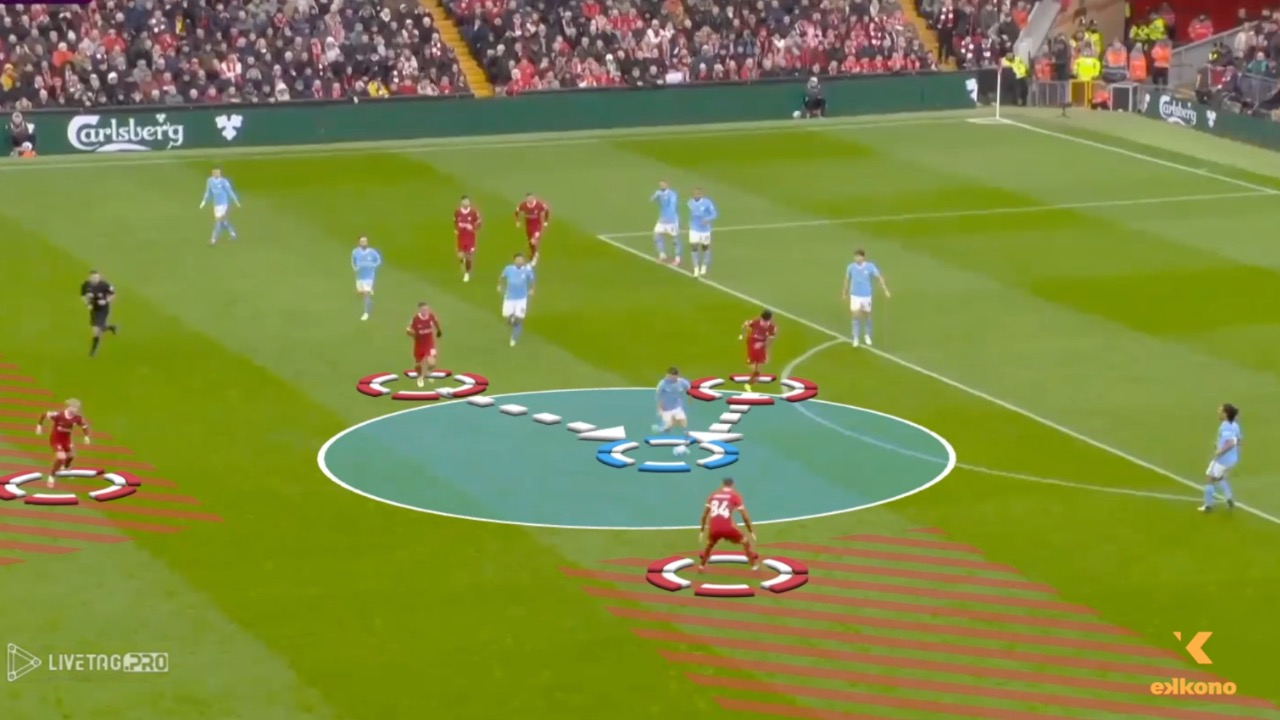
Football tactics have evolved tremendously over the years, shaping how teams play, defend, and attack on the pitch. Understanding the top football tactics not only enriches the viewing experience but also reveals the strategic depth behind every match. From the intricate short-passing style of Tiki-Taka to the high-intensity Gegenpressing, each tactic brings its unique philosophy and demands on player roles and formations.
In this article, we’ll explore the most influential football tactics, explain key concepts of formation in football, and how teams line up for success.
The legacy of Tiki-Taka: possession and precision
Made famous by FC Barcelona and the Spanish national team, Tiki-Taka focuses on maintaining possession through short, quick passes and constant movement. The tactic thrives on patience and technical skill, forcing opponents to chase the ball and tire out.
-
Formation: Often deployed with a 4-3-3 lineup to maximize midfield control.
-
Key Elements: Short passes, high pressing after losing the ball, and positional play.
-
Impact: Revolutionized modern football by emphasizing control over quick counter-attacks.

Gegenpressing: winning the ball back immediately
Gegenpressing, popularized by coaches like Jürgen Klopp, is a high-energy tactic that involves intense pressing immediately after losing possession. The goal is to win the ball back in dangerous areas quickly, preventing the opponent from organizing their attack.
AI isn’t just for scouting, it’s changing how football is strategized:
-
Formation: Commonly seen in 4-3-3 or 4-2-3-1 setups, focusing on midfield dominance.
-
Key Elements: Coordinated pressing, quick transitions, and teamwork.
-
Impact: Creates fast-paced, exciting football that disrupts opponents’ rhythm.

The classic 4-4-2: balance and simplicity
One of the most traditional formations in football, the 4-4-2 provides balance between defense and attack. It uses two strikers upfront, four midfielders for control, and four defenders to protect the goal.
-
Advantages: Straightforward structure, good width, and clear player roles.
-
Limitations: Can be outnumbered in midfield by more modern formations.
-
Still Used: Many teams use a modified 4-4-2 to suit their style, especially in leagues that value physicality and direct play.
The 3-5-2 formation: control through the midfield
The 3-5-2 formation adds an extra defender and midfield presence, allowing teams to control the middle of the pitch and provide width through wing-backs.
-
Key Benefits: Defensive solidity with three center-backs, plus flexibility in attack.
-
Challenges: Requires highly fit wing-backs capable of attacking and defending.
-
Use Case: Effective against teams that rely heavily on wing play.
Other popular football lineups to know
-
4-2-3-1: A flexible formation emphasizing defensive midfield protection and creative attacking midfielders.
-
4-3-3: Focuses on attacking width and midfield control.
-
5-3-2 / 3-4-3: Defensive formations used for counter-attacks and absorbing pressure.
Each lineup shapes how a team uses space, pressing, and player roles on the pitch.
How tactics influence modern football
Tactics go beyond formations and styles; they reflect a coach’s philosophy and the players’ skills. The rise of data analytics has made tactics even more sophisticated, with teams adapting dynamically during games.
From the high possession control of Tiki-Taka to the aggressive Gegenpressing and the versatile 4-2-3-1 formation, football tactics continue to evolve. Understanding these systems enhances fans’ appreciation and highlights the strategic beauty behind the game.
Whether you’re a casual fan or a budding coach, knowing the top football tactics, key formations, and how lineups work is essential to grasping the game’s complexity. The beautiful game is as much about brains as it is about skill, and tactics are the roadmap to victory.